Banzai Slots Casino Review: 2026 Feedback

2026 Analysis of Banzai in France: registration, payments, withdrawals, support and responsible gambling tools (18+) to get started.

Play Now!
Slot Fortune Gems 2

Table of Contents

  • The Dog House Megaways Slot
  • Lucky Joker 10 Extra Gifts Slot
  • Sword of Ares Slot
  • Floating Dragon Hold & Spin Slot
  • Leprechaun Riches Slot
  • Fruit Coctail Slot
  • The Dog House Megaways Slot
  • Sword of Ares Slot
  • Fruit Million Slot
  • The Dog House Megaways Slot
  • Fruit Box Slot
  • Big Fisherman Slot
  • Seven Books Unlimited Slot
  • Banzai Fortune Slot
  • Sword of Ares Slot
  • Floating Dragon Hold & Spin Slot
  • 9 Mad Hats Slot
  • Floating Dragon Hold & Spin Slot
  • Big Bass Splash Slot

Comment Interpréter Banzai Slots Avis En 2026

Imaginez la situation: vous êtes sur votre téléphone, vous hésitez à créer un compte, et vous lisez des commentaires entre deux rendez-vous. En quelques minutes, vous voyez tout et son contraire. Le bon réflexe, en 2026, consiste à trier les retours comme on trie des preuves: ce qui est précis, récent et cohérent pèse plus que les opinions “à chaud”.

¡Jugar Ahora!
review 1

Commencez par repérer les thèmes récurrents: dépôts, retraits, assistance, vérification d’identité, stabilité sur mobile, clarté des règles. Ensuite, regardez si les témoignages décrivent des étapes concrètes (ce que la personne a fait, dans quel ordre, quel message a été affiché). Un récit utile ressemble à un petit journal de bord, pas à une phrase vague. Enfin, gardez une idée simple en tête: certains contrôles existent pour la sécurité et le respect des règles applicables, surtout quand on joue depuis France et que l’accès est réservé aux adultes. Ce n’est pas “bien” ou “mal”, c’est un paramètre à anticiper.

Ce Que Banzai Propose Aux Joueurs En France

Imaginez que vous ayez une heure le soir, pas plus. Vous voulez vous inscrire, tester quelques jeux, puis arrêter sans perdre le fil. Dans ce scénario, ce qui compte n’est pas la promesse, mais la lisibilité: où se trouvent les réglages du compte, comment on suit ses opérations, et comment on active des garde-fous.

¡Jugar Ahora!
review 2

Pour démarrer proprement, remplissez le profil avec des informations exactes et stables. Beaucoup de blocages viennent d’un détail bête: email inaccessible, numéro erroné, ou nom saisi différemment selon les écrans. En 2026, la sécurité est souvent renforcée (codes, confirmations, demandes de documents selon les cas), donc mieux vaut être rigoureux dès le début. Pensez aussi “organisation”: notez votre méthode de paiement principale, fixez un budget, et activez une limite de dépôt ou une durée de session. On se sent plus libre quand on a un cadre, pas quand on improvise.

Parcours De Jeu Et Interface: À Quoi S’Attendre

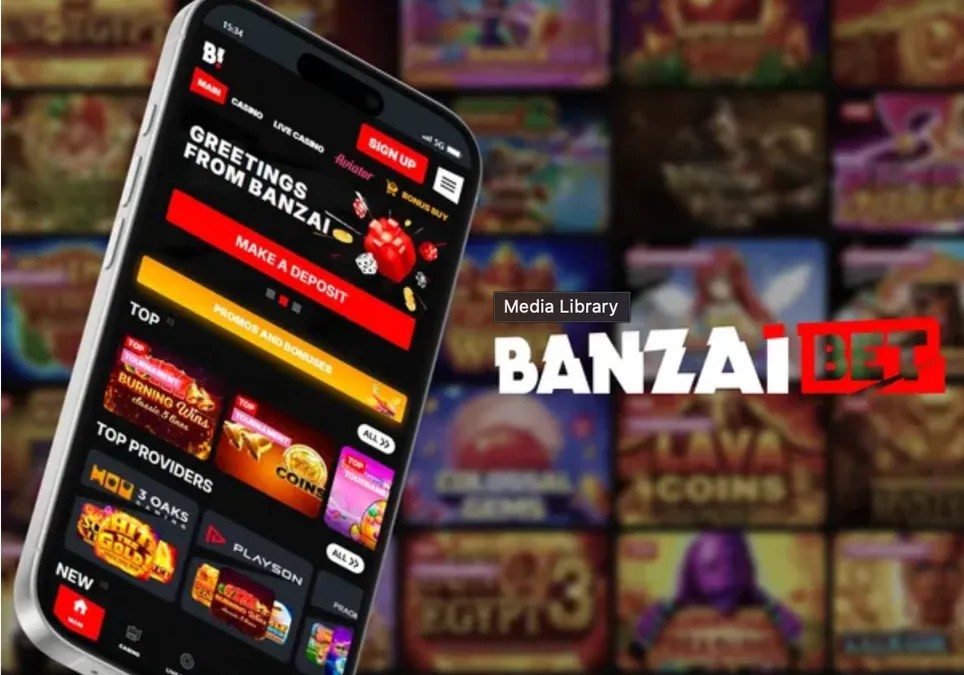
Imaginez que vous jouiez dans le train, réseau instable, une main sur le téléphone. Si l’interface n’est pas claire, vous cliquez trop vite, vous cherchez les menus, vous perdez du temps. Une expérience solide, c’est une navigation simple: accès rapide aux jeux, filtre par catégories, historique lisible, et réglages de compte faciles à retrouver.

¡Jugar Ahora!
review 3

En pratique, prenez 10 minutes avant de miser “pour de vrai”. Explorez les menus, repérez où se trouvent les limites, vérifiez l’accès au support, et regardez comment la plateforme affiche les statuts (dépôt confirmé, retrait en cours, demande de vérification). Ce petit tour préventif évite 80% des frustrations, surtout quand vous jouez depuis France et que vous voulez rester dans un usage responsable (18+).

Navigation Mobile Et Confort De Session

Imaginez que vous lanciez une session rapide pendant une pause, puis que votre écran se verrouille. Vous revenez, et vous ne voulez pas perdre votre progression ni chercher votre dernier jeu. Sur mobile, le confort se joue sur des détails: boutons accessibles, chargements stables, retour simple au lobby, et accès clair aux réglages.

Un bon test consiste à faire trois actions de base: retrouver un jeu via la recherche, consulter l’historique des opérations, puis ouvrir l’aide. Si ces gestes sont fluides, la plateforme vous fera gagner du temps au quotidien. Et si vous partagez parfois votre appareil, pensez à sécuriser l’accès (code, verrouillage, déconnexion automatique) pour éviter les surprises.

Choisir Ses Jeux Sans Se Disperser

Imaginez que vous passiez d’une machine à sous à une autre “juste pour voir”. Vous misez un peu partout, sans comprendre les règles, puis vous vous demandez où est passé le budget. La stratégie la plus simple est souvent la meilleure: sélectionner 2 ou 3 jeux, comprendre leur rythme, puis décider si vous continuez.

Commencez par tester en mode démo quand c’est possible. Regardez comment se déclenchent les fonctionnalités, si le jeu vous pousse à augmenter la mise, et si vous comprenez ce qui se passe à l’écran. Si vous n’êtes pas à l’aise au bout de 10 minutes, changez. Ce n’est pas une question de “chance”, c’est une question de contrôle.

Tester Les Fonctionnalités Sans Pression

Prenez l’habitude de tester d’abord, puis de miser ensuite. Cela évite les décisions impulsives et vous aide à repérer les jeux qui correspondent à votre rythme. Un petit repère utile: si vous avez besoin de “deviner” les règles, ce n’est pas le bon choix pour une session sereine.

Garder La Main Sur Le Temps De Jeu

Programmez une fin de session avant de commencer, même si c’est 20 minutes. Le temps file vite quand tout s’enchaîne. Une pause (timeout) au bon moment vaut mieux qu’une longue session où l’on joue fatigué.

Dépôts Et Retraits: Méthode Sans Stress

Imaginez que vous vouliez déposer rapidement, jouer un moment, puis retirer une partie des gains le lendemain. Vous cherchez surtout de la prévisibilité: étapes claires, statuts compréhensibles, et un parcours qui ne vous oblige pas à deviner. En 2026, la règle d’or reste la même: une méthode principale, un historique propre, et des attentes réalistes selon le canal choisi.

Here is a practical (indicative) guide to compare options without a fixed deadline promise, as everything depends on the provider, your bank, and security checks:

Payment Option

Deposit (Perceived)

Withdrawal (Perceived)

Possible Checks

Good Practice

Bank Card

Often fast

Variable

Sometimes reinforced

Do a small test initially

Bank Transfer

Slower

Slower

Frequent depending on amount

Verify details before sending

E-Wallet

Fast

Often more direct

Depending on activity

Keep using the same account

Prepaid Card

Simple

Sometimes limited

Rare but possible

Read limits before depositing

Crypto Assets

Variable

Variable

Possible verifications

Understand fees and confirmations

Deposit While Maintaining Control

Imagine a deposit refused even though you have funds. The first reflex is not to try ten more times, but to check your limits, bank authentication, then try a consistent alternative. Duplicates and confusion often arise from haste.

To stay clean, start with a small amount. Verify that the transaction appears in the history and that you understand the displayed status. Only then, adjust. And if you change methods, do so with a clear reason (refusal, limit, preference), not randomly.

Withdrawing Your Winnings: Steps And Tracking

Imagine requesting a withdrawal on a Friday evening and worrying on Saturday morning. Many forget that some processing depends on schedules, banks, and internal verifications. The right approach is pragmatic: initiate the request, track the status, and avoid multiplying parallel requests.

Keep your information up to date and respond quickly if a confirmation is requested. The more readable and consistent elements you provide, the more you reduce back-and-forth. And if you have a question, phrase it operationally: “What document is missing?” or “What status should I expect next?”

Limits, Fees, And Possible Verifications

Imagine hitting a limit without seeing it coming, then thinking “it's blocked.” Often, it's not a bug but a ceiling or a security-triggered check. In 2026, these mechanisms are frequent and primarily aim to protect the account and comply with applicable rules.

Make it a habit to read the limits before a large transaction. Also, avoid mixing several payment methods unnecessarily, as this can complicate tracking. A simple history is your best ally: a main method, consistent amounts, and spaced-out actions.

Bonuses And Promotions: Read The Conditions

Imagine an offer appearing just as you're about to deposit. You click “accept” reflexively, then later discover conditions that change how you play. The best reflex here is to treat each promotion as an agreement: read, understand, then decide.

In practice, you're looking for three things: validity period, wagering rules, and possible restrictions on certain games. If a point is unclear, it's better to ignore the offer than to feel trapped afterwards. Playing responsibly also means refusing what doesn't match your style.

Understand Requirements Before Activating

Imagine wanting to withdraw quickly, but the chosen offer imposes additional steps. Before activating, read what matters: how long the offer lasts, what is required to validate it, and how it affects a withdrawal.

A simple trick: ask yourself a question in the middle of reading. “If I didn’t accept this offer, would I play the same way?” If the answer is no, it influences your decisions - so it deserves special attention.

Avoid Pitfalls On Slot Machines

Imagine changing machines every five minutes to “find the right one.” This often leads you to increase your bet and lose control of your budget. It's best to choose a game, understand its rhythm, then calmly evaluate.

Test first without pressure, then set a maximum bet per spin. If you feel the urge to speed up, take a break. A controlled session resembles a plan, not a race.

Bankroll: Simple Rules For Clean Play

Imagine losing three rounds in a row and wanting to "catch up" immediately. This is the typical moment when one breaks their own rules. To avoid this, set a session budget, a loss limit, and a stop rule (win achieved or time elapsed).

Keep the pace: a few short sentences, then a clear choice. "I stop at X." "I don't exceed Y." These are easy decisions to follow when made before the emotion, not during.

Responsible Gaming: Timeout and Self-Exclusion

Imagine an evening where you're playing tired, a bit annoyed, and you keep going "just five more minutes." Those five minutes turn into an hour. Break tools exist for this: cut access, breathe, come back later - or not.

Temporary breaks help when you feel tension rising. Self-exclusion is useful when you need a firmer stop for a defined period. The important thing is to act early, especially for adult use (18+): protect your budget, your time, and your peace of mind.

Support and Security: The Right Reflexes

Imagine a simple issue: a pending operation, a code that doesn't arrive, or blocked access after several attempts. In these moments, support is helpful if you help it help you. Security becomes smoother when you anticipate: consistent information, access to your email, and trusted devices.

In 2026, the best strategy is not to "fight" with the system, but to follow a method: first check your history and settings, then contact support with a clear message. You save time and avoid endless back-and-forths.

Resolving a Block Without Getting Annoyed

Imagine your deposit shows "pending" and you refresh the screen every ten seconds. You get stressed, then click everywhere, and create confusion. Do the opposite: note the time, the status, and what you've already tried (reconnecting, changing networks, bank verification).

Then, contact support with a simple structure: context, action, result, question. For example: "I tried X at this time, the status is Y, I have already checked Z, what do you advise?" Avoid sending sensitive data in plain text, and prioritize precision. Often, it's not speed that resolves a block, it's clarity.

FAQ

A clear process is identified by three things: you see the steps, you understand the statuses, and you know what to do next. Before requesting a withdrawal, ensure your profile is complete and consistent, then submit only one request at a time. If a verification appears, look for the precise indication of what is missing and send legible documents. The good sign is when the platform allows you to track progress without guessing.

Prepare up-to-date and, most importantly, legible documents: clear photo, without glare, with visible edges and clear information. Also, check that your profile data matches exactly (name, date of birth). If you are playing from a mobile device, avoid blurry images taken in a hurry. One clean submission is better than three attempts that go back for correction.

Refusals often stem from bank limits, missing authentication, or a security block on the bank's side. Before retrying, check your online payment limits, your bank confirmation, then try a consistent alternative. Do not make multiple rapid attempts: this can create confusing statuses. Note the time and the displayed message; this helps a lot if you contact support.

Set limits that resemble your real life, not an "ideal" rule. For example: a weekly budget, a maximum session duration, and a loss limit that lets you sleep peacefully. Start modestly, then adjust after a week. If you feel that the limit annoys you, it's often a sign that it's protecting a sensitive point - in this case, keep it and use a break when the urge to exceed it arises.

Read the duration, wagering requirements, possible restrictions on certain games, and withdrawal-related rules. Ask yourself a simple question: "Would I accept this offer if I only wanted to play for 20 minutes?" If the answer is no, it influences your behavior, so it deserves careful reading. When in doubt, it's better to refuse and play with your own budget, which is simpler to manage.

Use a temporary break when you feel tired, annoyed, or have an urge to "catch up" on a loss. It's a recovery tool, not a sanction. A longer stop becomes relevant if you repeat the same errors or no longer respect your limits. In all cases, the objective is the same: regain control of time and decisions, especially for adult use.

Provide a structured message: what you wanted to do, what you did, what you see on the screen, and what you expect. Add the approximate time, the displayed status, and actions already attempted (reconnection, network change, bank verification). Avoid general phrases and unnecessary screenshots. The more precise you are, the more likely the response will be directly actionable, without three back-and-forths.

Play Now